
Call us now
07971550121
Call us now
07971550121
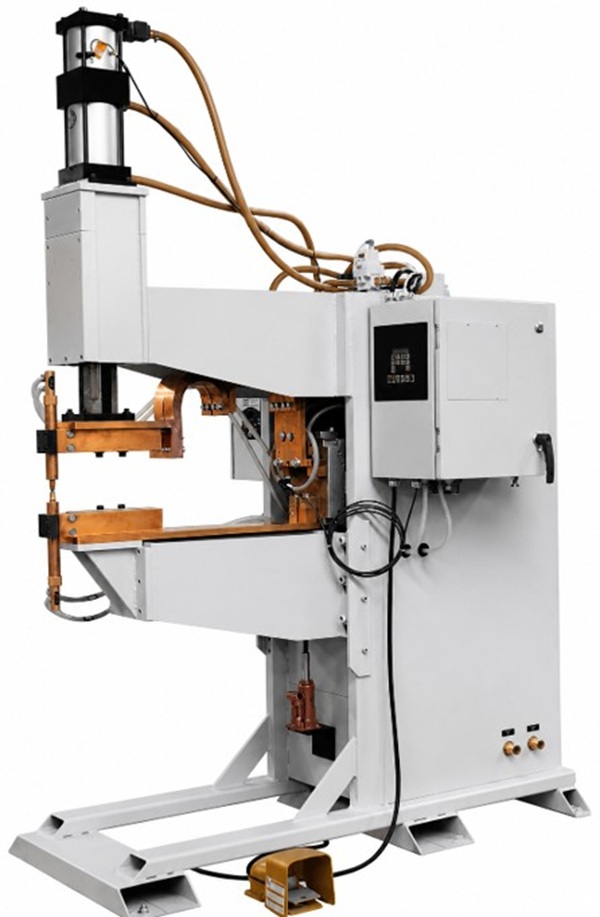
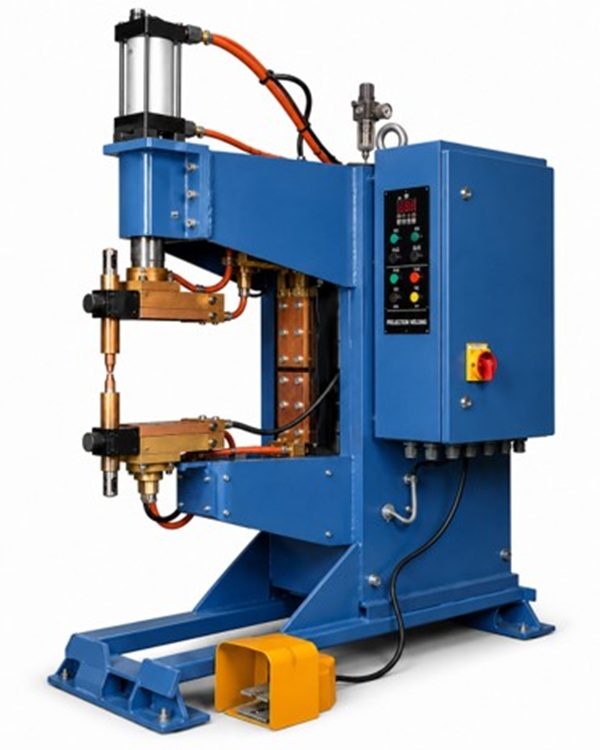
A Projection Welding Machine is a specialized resistance welding machine used to join two or more metal parts by concentrating electrical current and pressure at small raised areas called projections. These projections generate heat due to electrical resistance, causing the metal to fuse together.
Projection welding is widely used in the automotive, electrical, appliance, and sheet metal industries for high-speed, repeatable production.
Projection welding operates on the same principle as spot welding:

Price:
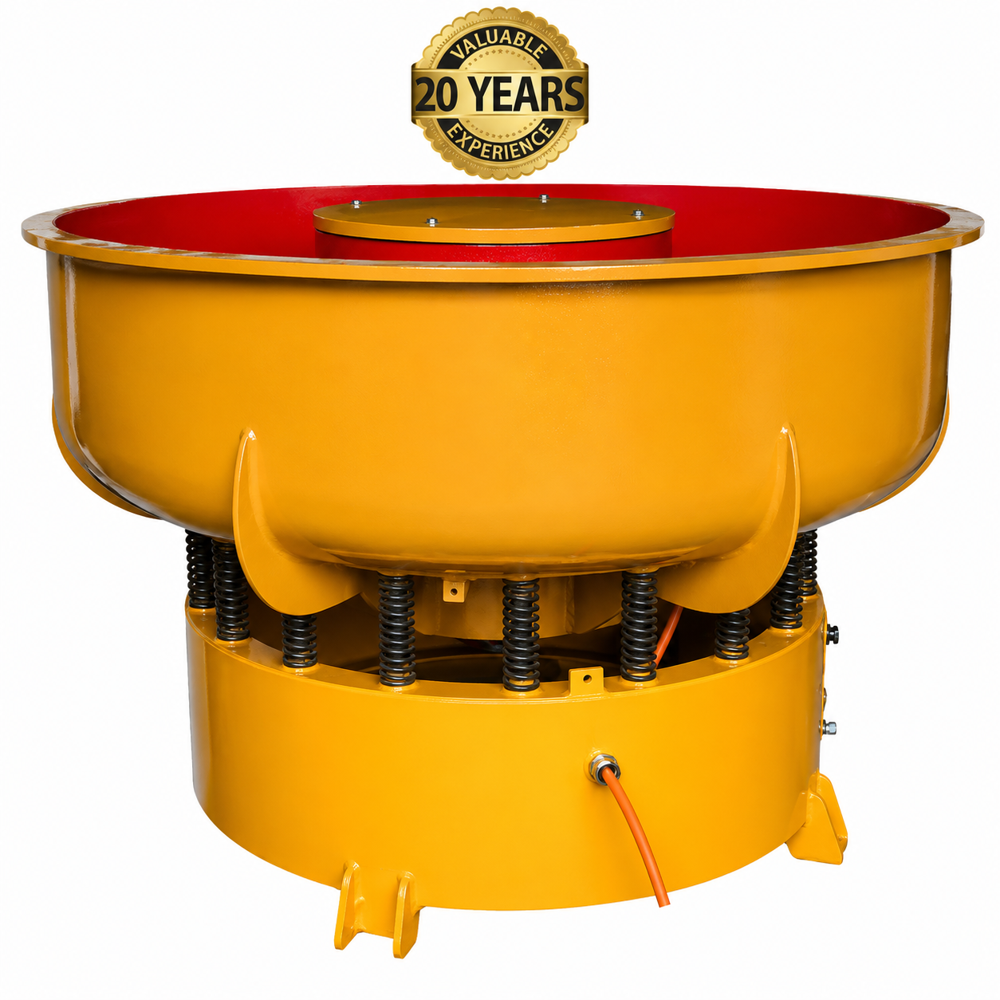
Price 400000.0 INR / Piece
Minimum Order Quantity : 1 Piece
Surface Treatment : Coated
Warranty : 1 Year
Country Of Origin : India
Machine Type : Polish
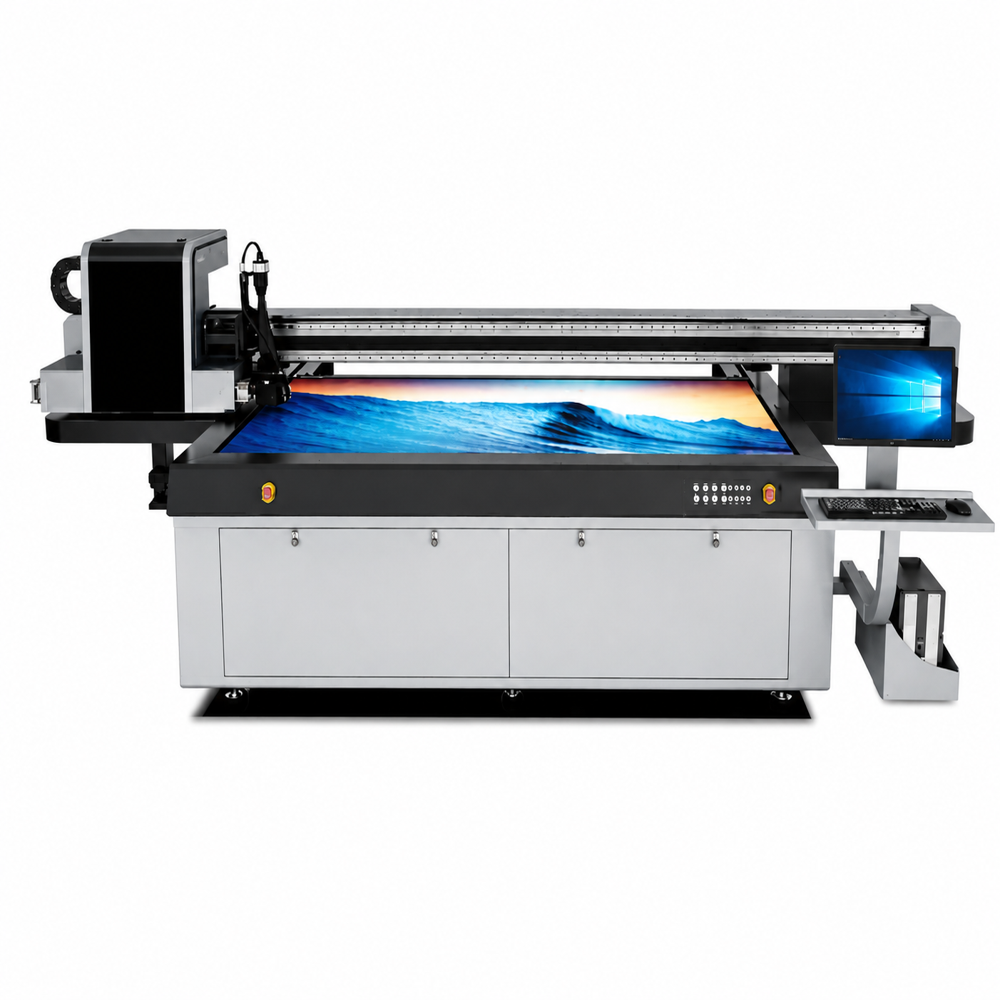
Price 3200000.0 INR / Set
Minimum Order Quantity : 1 Piece
Surface Treatment : Painted
Warranty : 1 Year
Country Of Origin : India
Machine Type : UV Printing
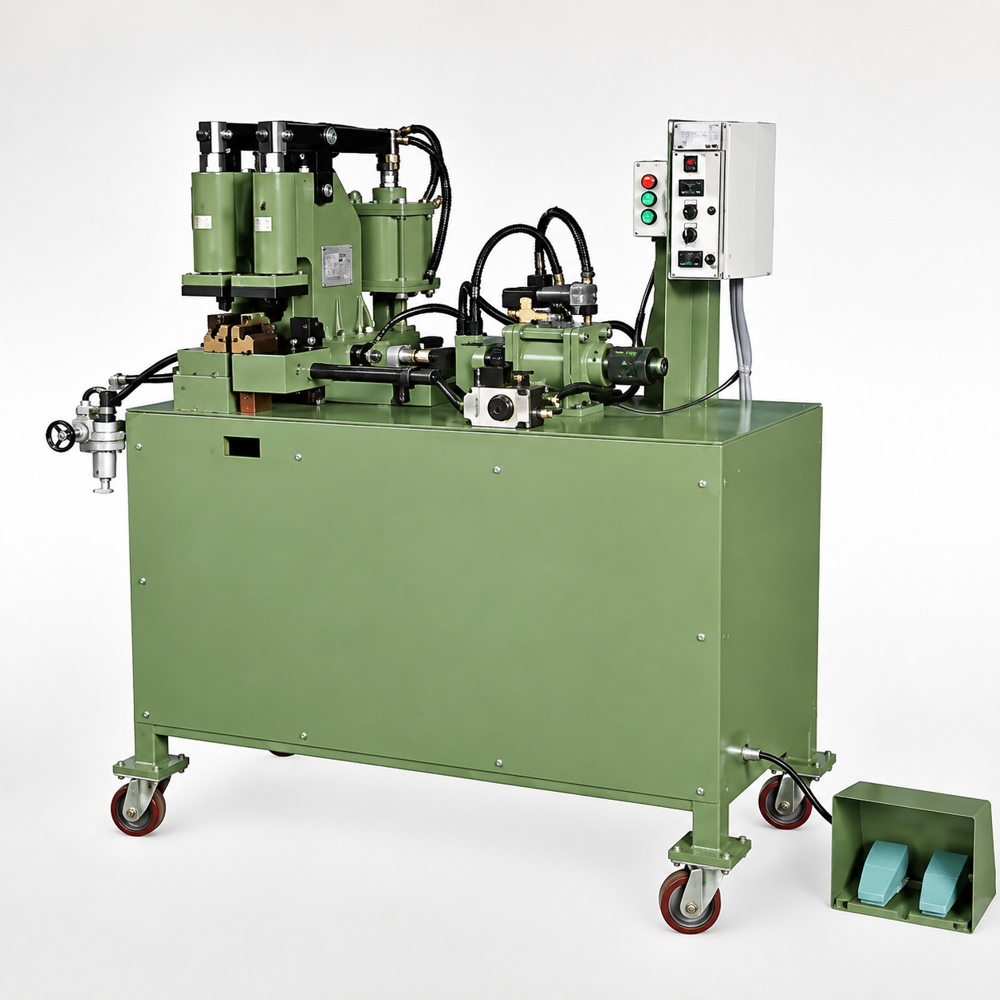
Price 350000.0 INR / Unit
Minimum Order Quantity : 1 Unit
Surface Treatment : Painted
Warranty : 1 Year
Country Of Origin : India
Machine Type : Butt Welding
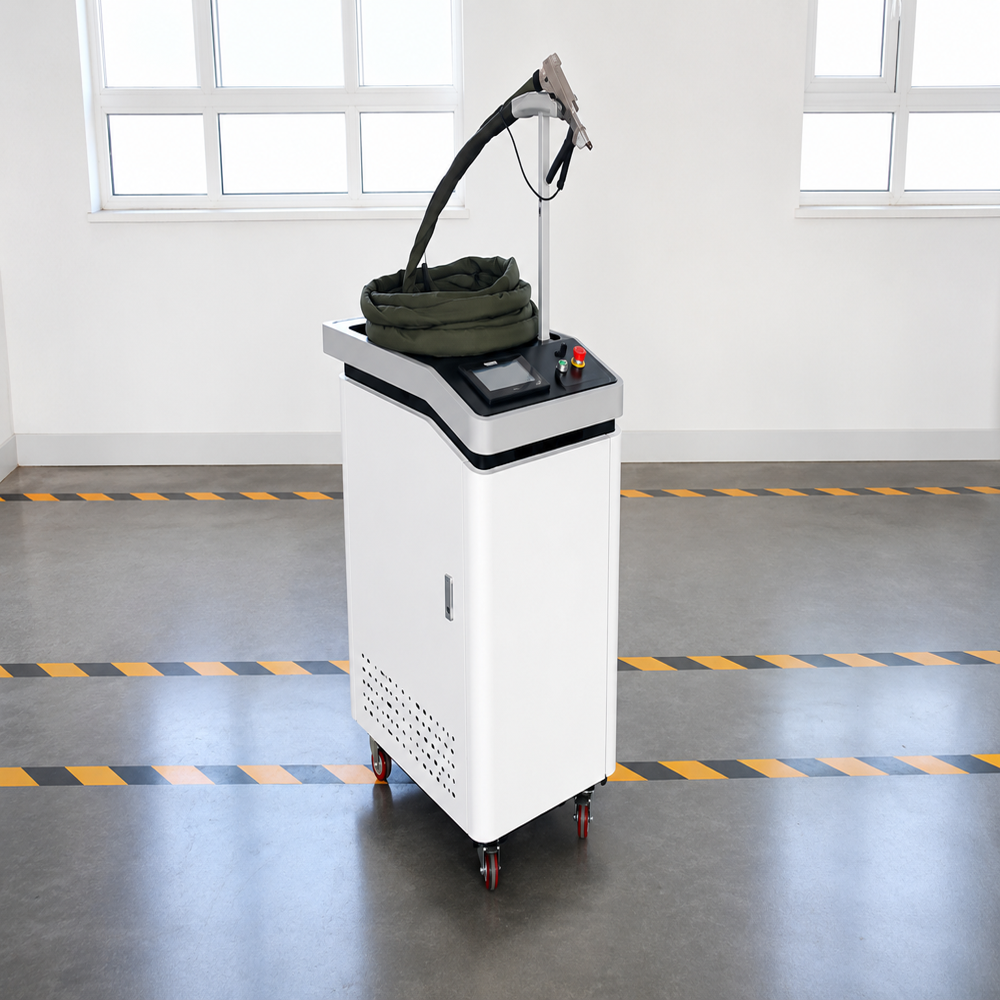
Price 350000.0 INR / Unit
Minimum Order Quantity : 1 Unit
Surface Treatment : Other
Warranty : 2 Years
Country Of Origin : India
Machine Type : Fiber Laser


 Send Inquiry


 Send Inquiry